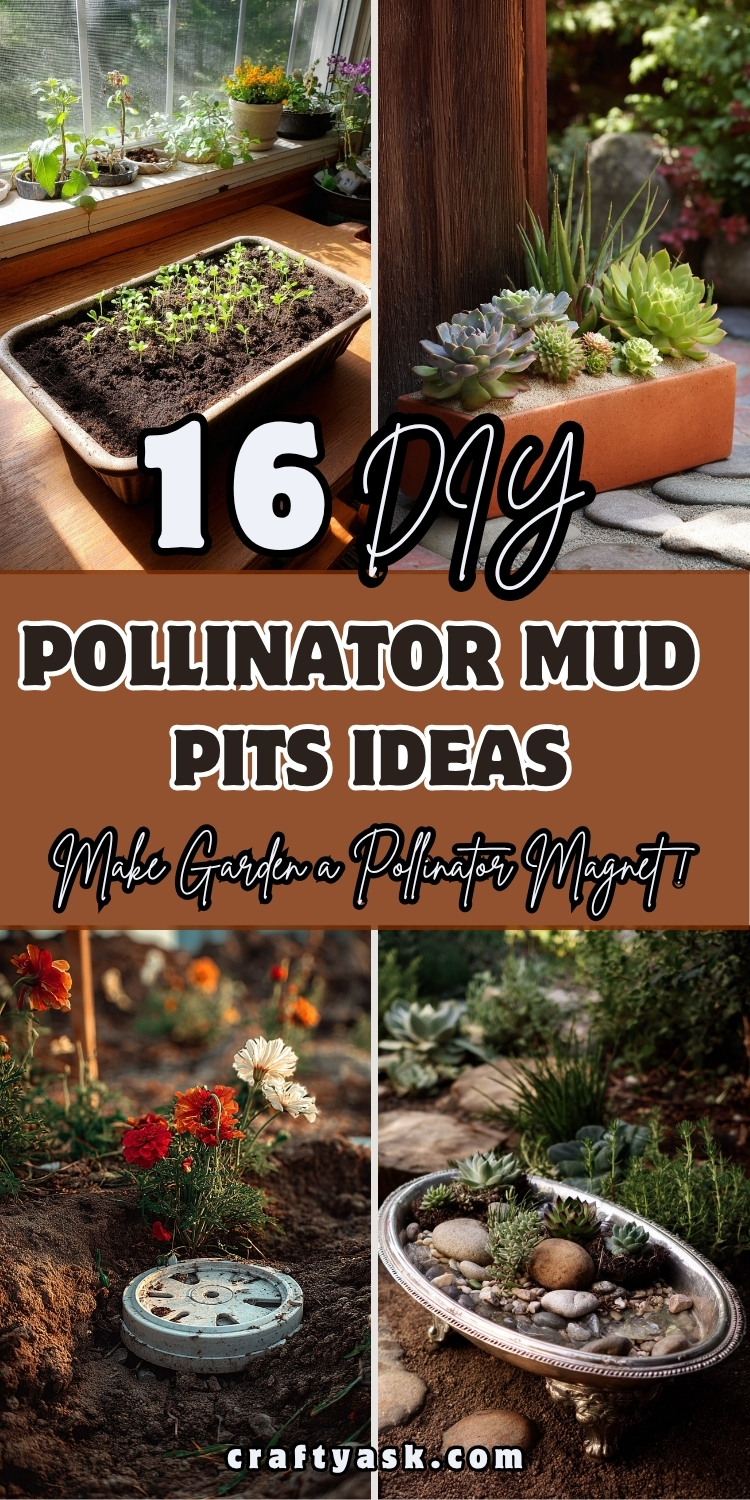

You might not think much of a muddy patch in your yard, but to a butterfly or bee, it’s a five-star pit stop. Between the manicured lawns and polished flower beds, pollinators are often left searching for something far more humble: a bit of moist, mineral-rich earth. That’s where mud pits come in.
If you’ve ever watched a butterfly pause on a wet patch of soil or noticed bees lingering by a puddle, you’ve seen it in action. They’re not just resting, they’re sipping minerals, staying hydrated, and getting what they need to keep pollinating the world around us.
The best part? Creating your own pollinator mud pit is simple, low-maintenance, and surprisingly fun. Whether you have a backyard garden, a balcony, or just a spare corner of soil, these 16 DIY Pollinator Mud Pits Ideas will help you build small but mighty spots that support the bees, butterflies, and beneficial bugs we all depend on.
1. Mud Pit with a Footed Silver
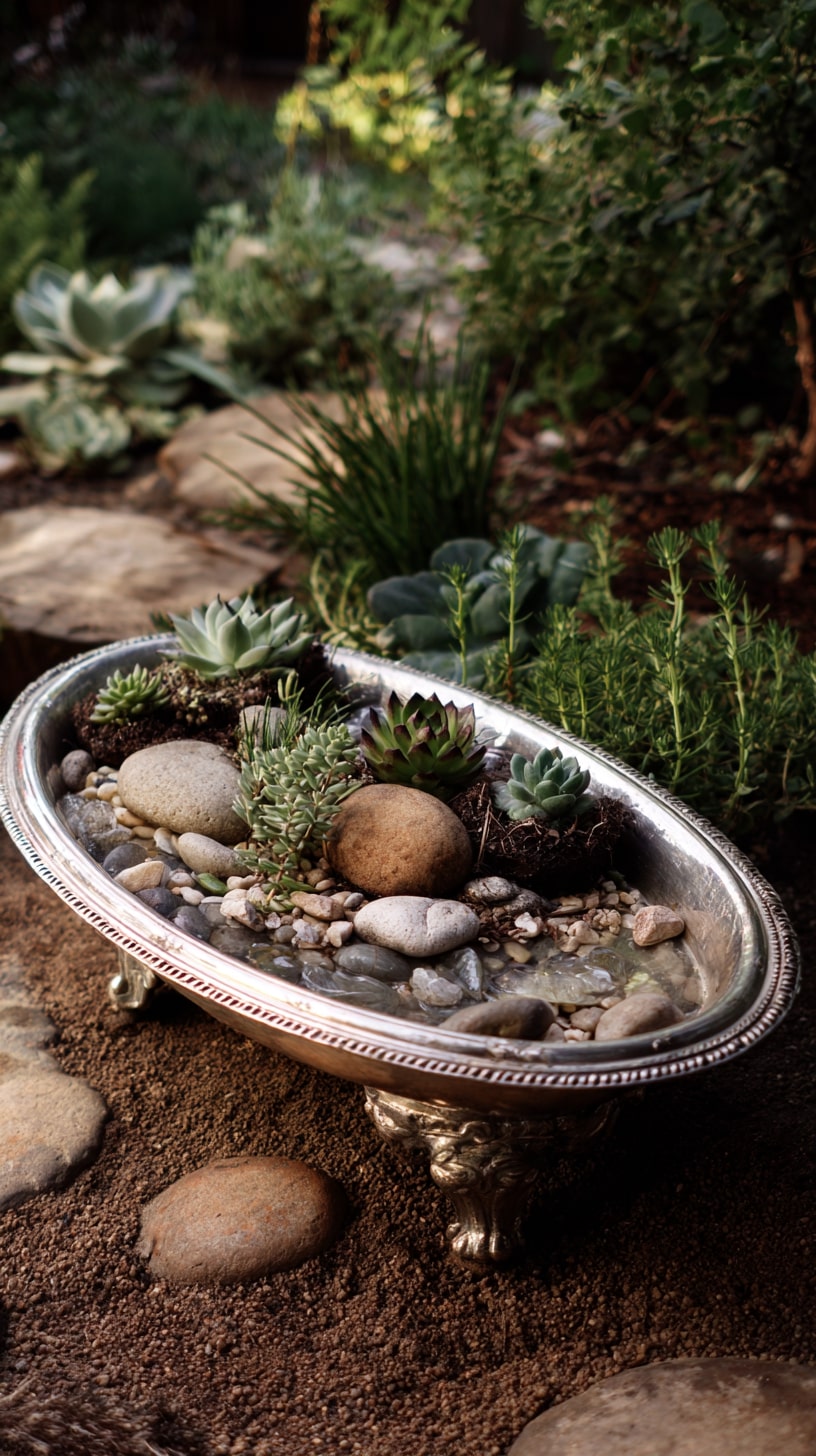
A vintage silver tray, raised on ornate feet, becomes a sculptural mud pit centerpiece. The mix of smooth river rocks, succulents, and shallow water creates a microhabitat, inviting bees to land, rest, and sip.
Low profile makes access easy. Silver reflects light, adding shimmer.
2. Passive Pollinator Watering
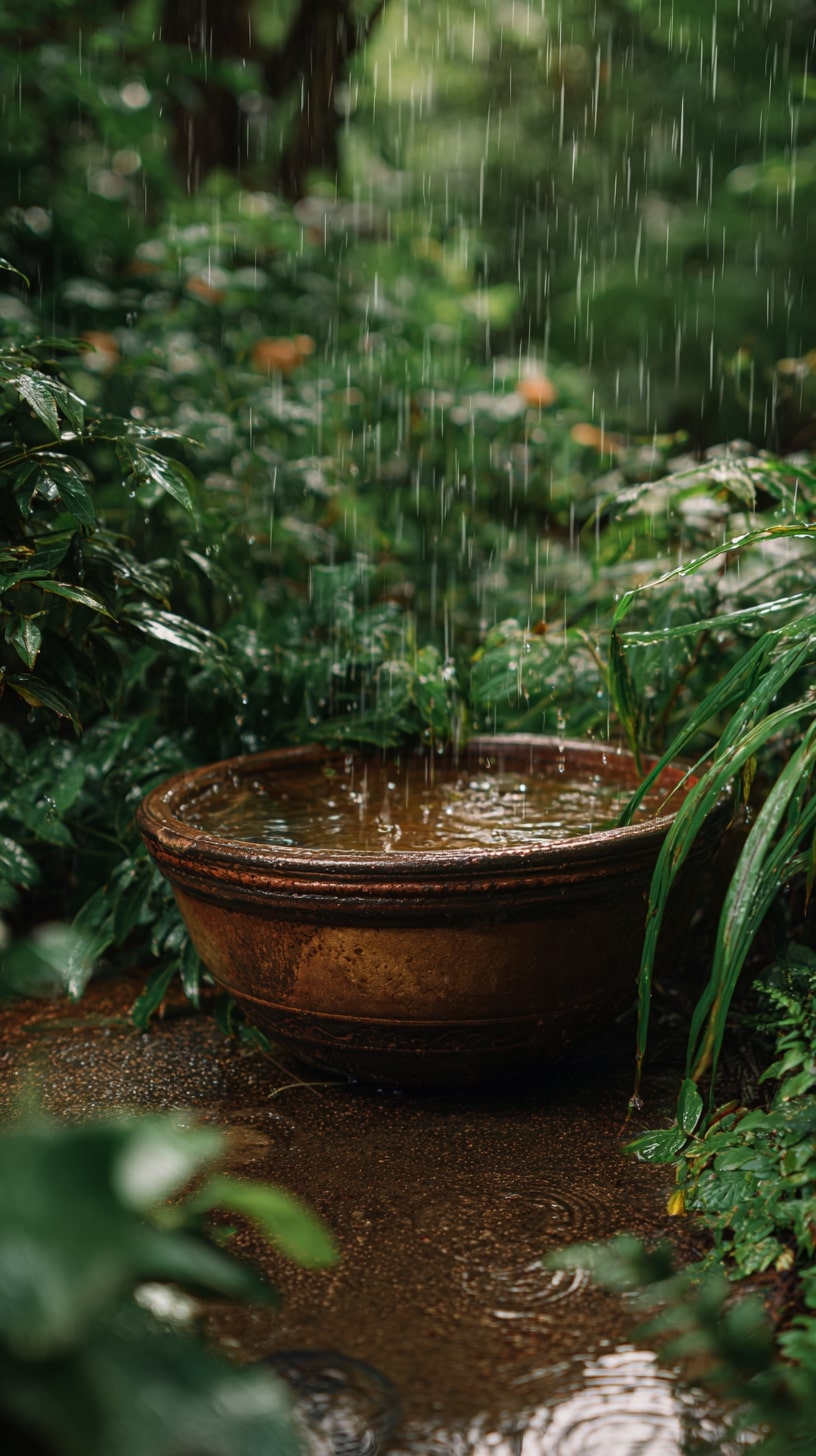
A wide clay basin tucked among dense foliage becomes a passive, self-filling mud pit. No tap needed. Just rain. Terracotta’s porous surface tempers the water’s warmth, keeping it safe for bees.
Slight patina adds age, texture. Surrounding plants hold moisture in, shielding from wind. Entire setup feels organic, almost accidental, but carefully placed for access and balance.
3. Fit Near Flowering Borders
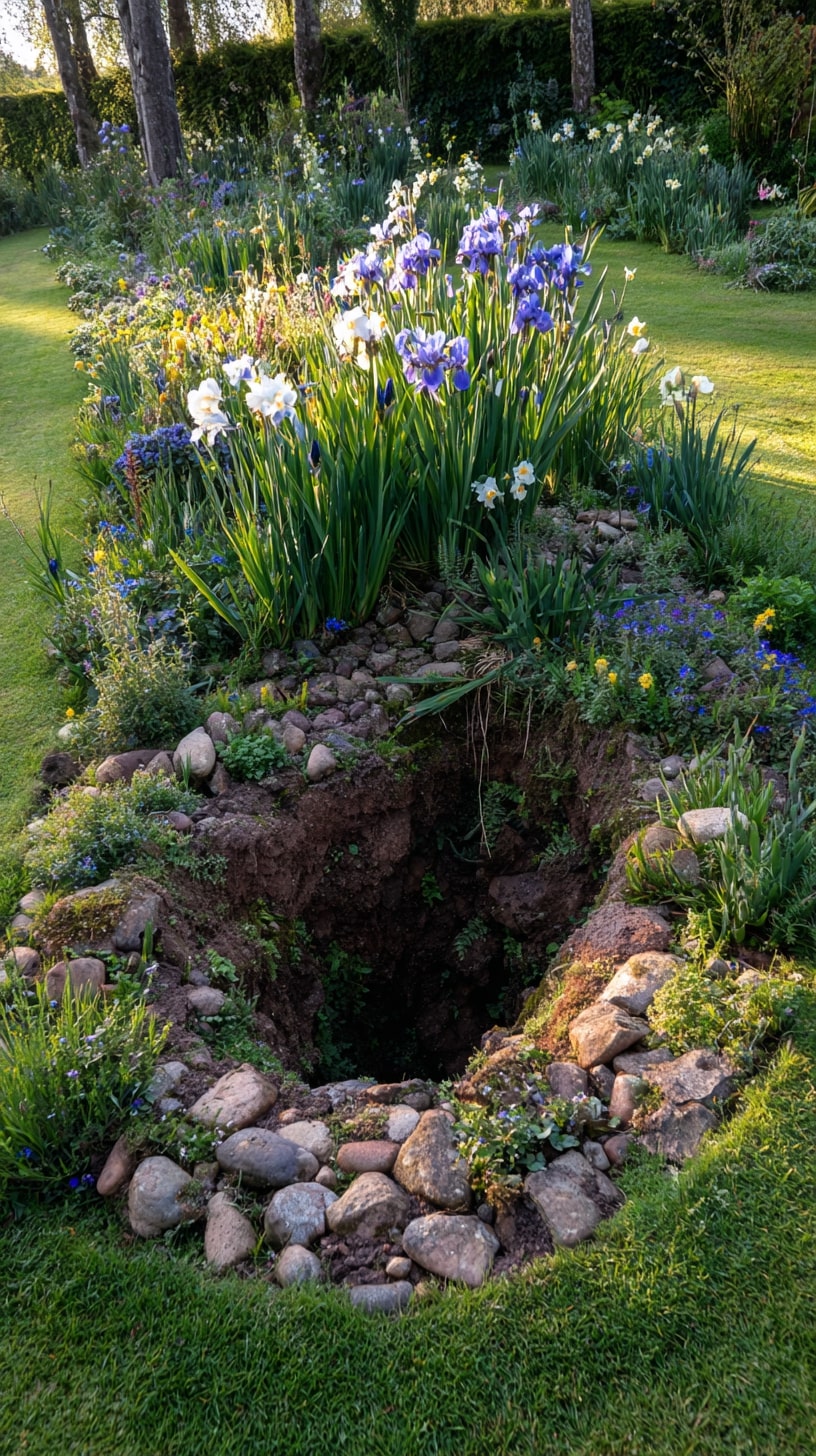
A deep, soil-lined pit tucked right into a thriving perennial border turns heavy clay into an asset. Rain collects naturally. Moisture lingers longer down deep, drawing in ground-nesting bees.
Irregular rock edging blends utility with form, softening the cut. Blooms nearby offer nectar steps away.
4. Discreet Water Access
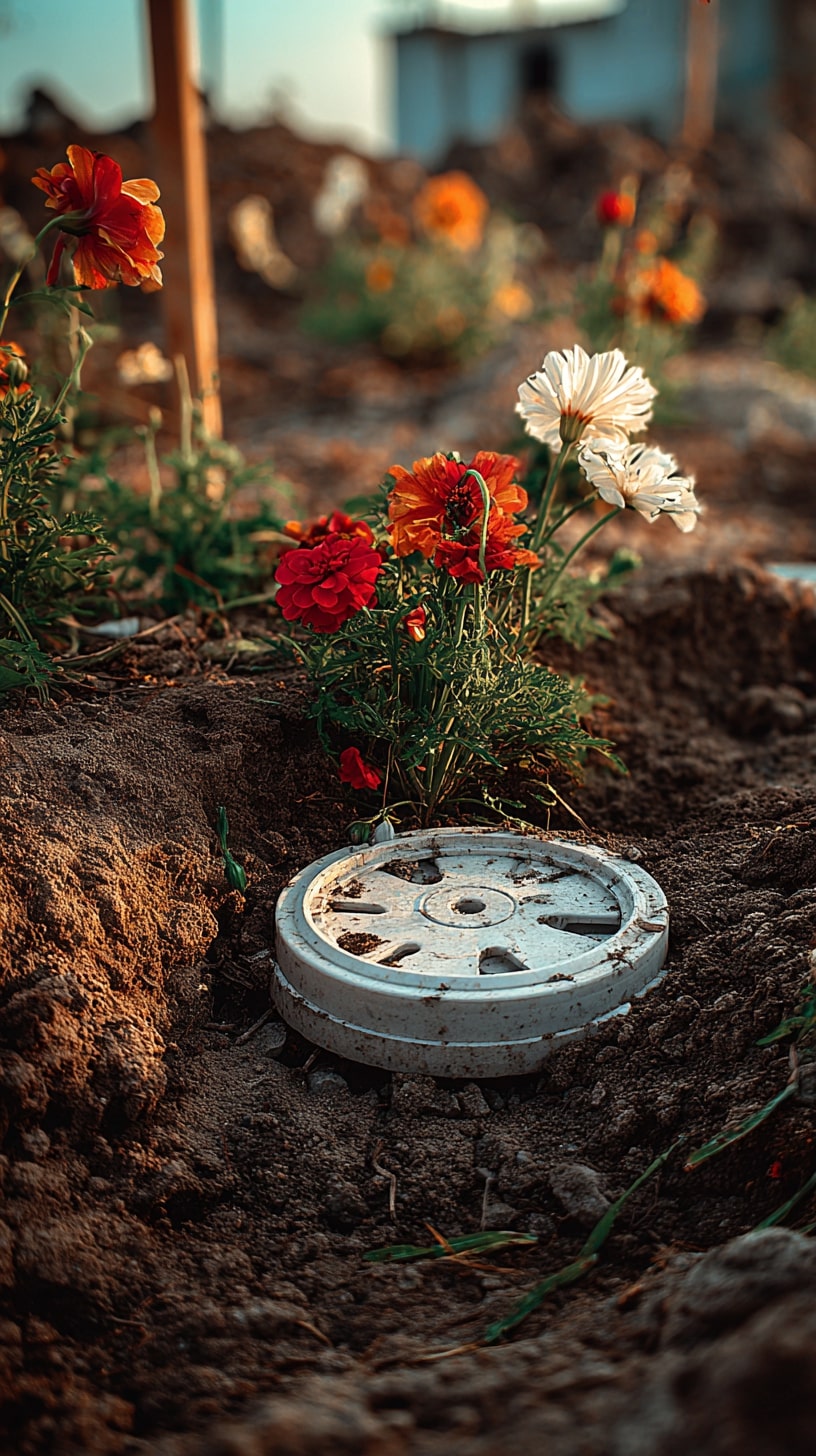
White plastic lid, half-sunk into soil, offers a low-profile surface for pollinators to land and sip safely. Its radial grooves catch and hold rainwater.
Surrounding dirt holds shape, slightly mounded for drainage control. Flowers flank both sides, close enough for nectar foraging, but airy enough for flight.
5. Support Dry-Loving Pollinators
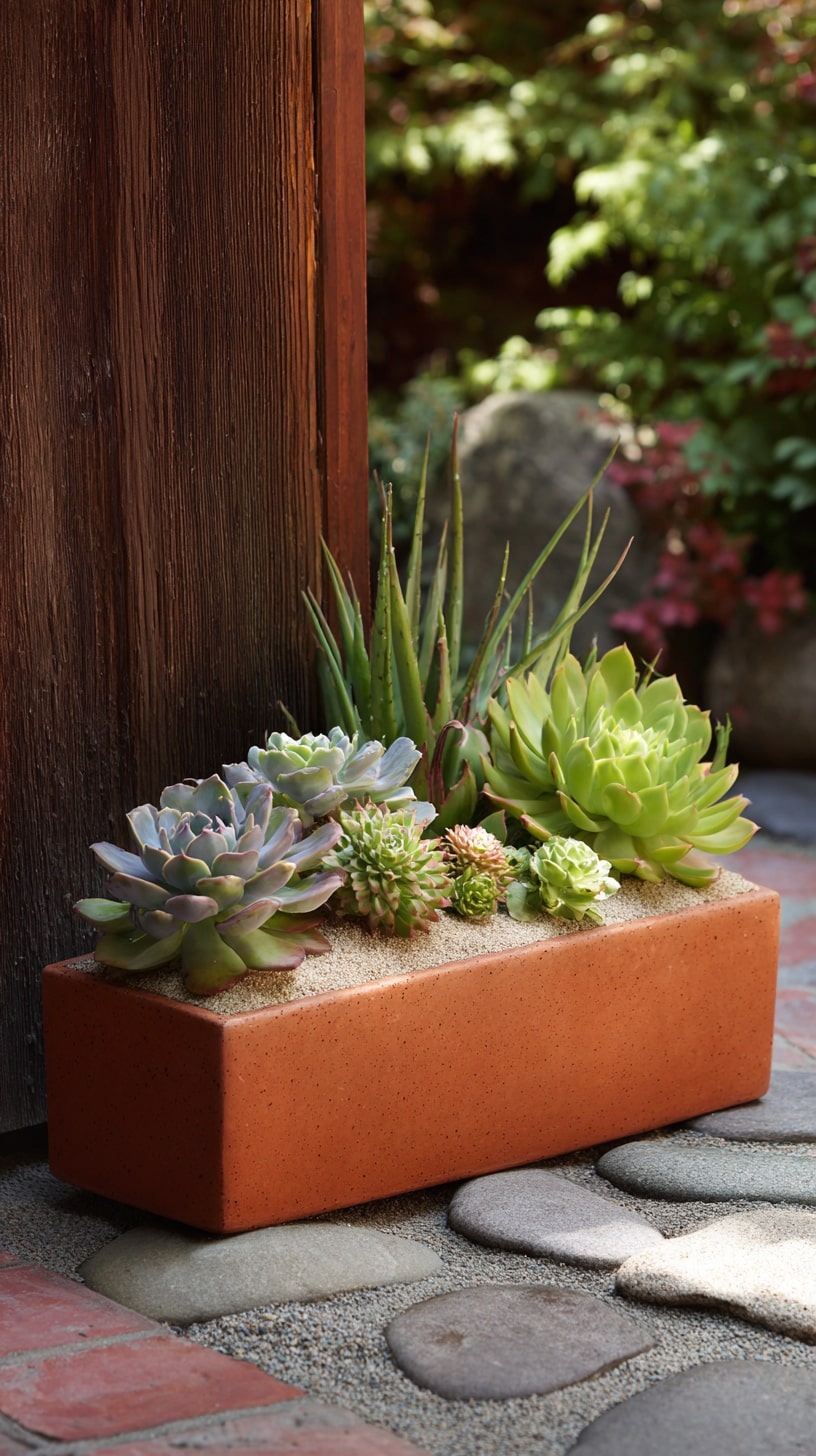
A terracotta-toned rectangular planter packed with sand and low-water succulents makes a striking dry mud station. The sandy top layer helps butterflies and bees collect minerals. No puddles needed.
Shapes are tight, geometric, modern. Plants are tactile, plump, spiny, layered. Ideal for patios where runoff is scarce.
6. Prep Pollinator Plants for Mud Zones
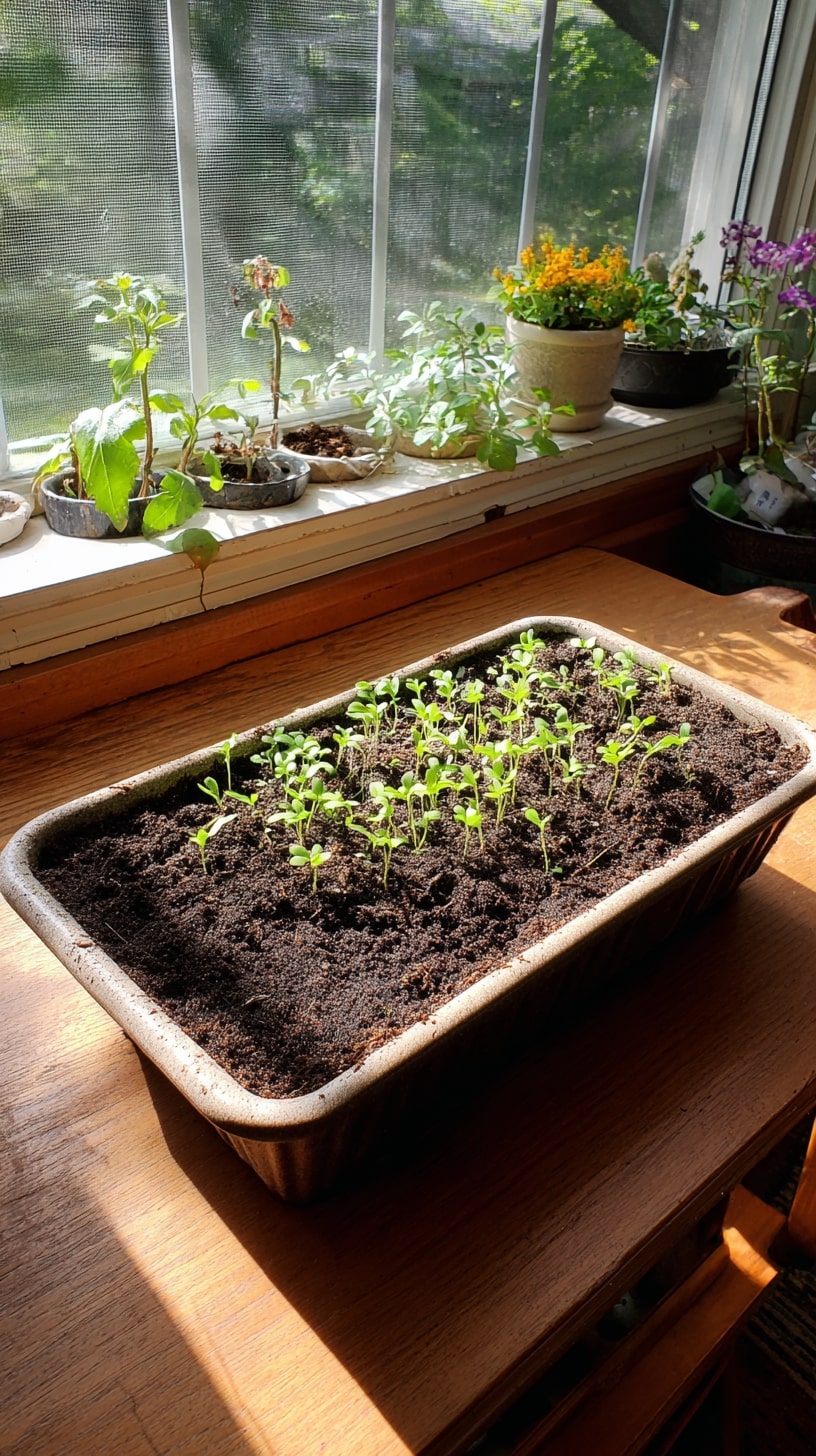
Compact but forward-thinking. A loaf pan repurposed as a seed tray nurtures early pollinator-friendly sprouts under a sunny window.
Controlled start, rich soil, tidy rows. Perfect for planning a summer mud pit companion bed, zinnias, bee balm, or calendula. This is step one. No mess, low risk, high reward.
7. Ground Level for Easy Bee Access
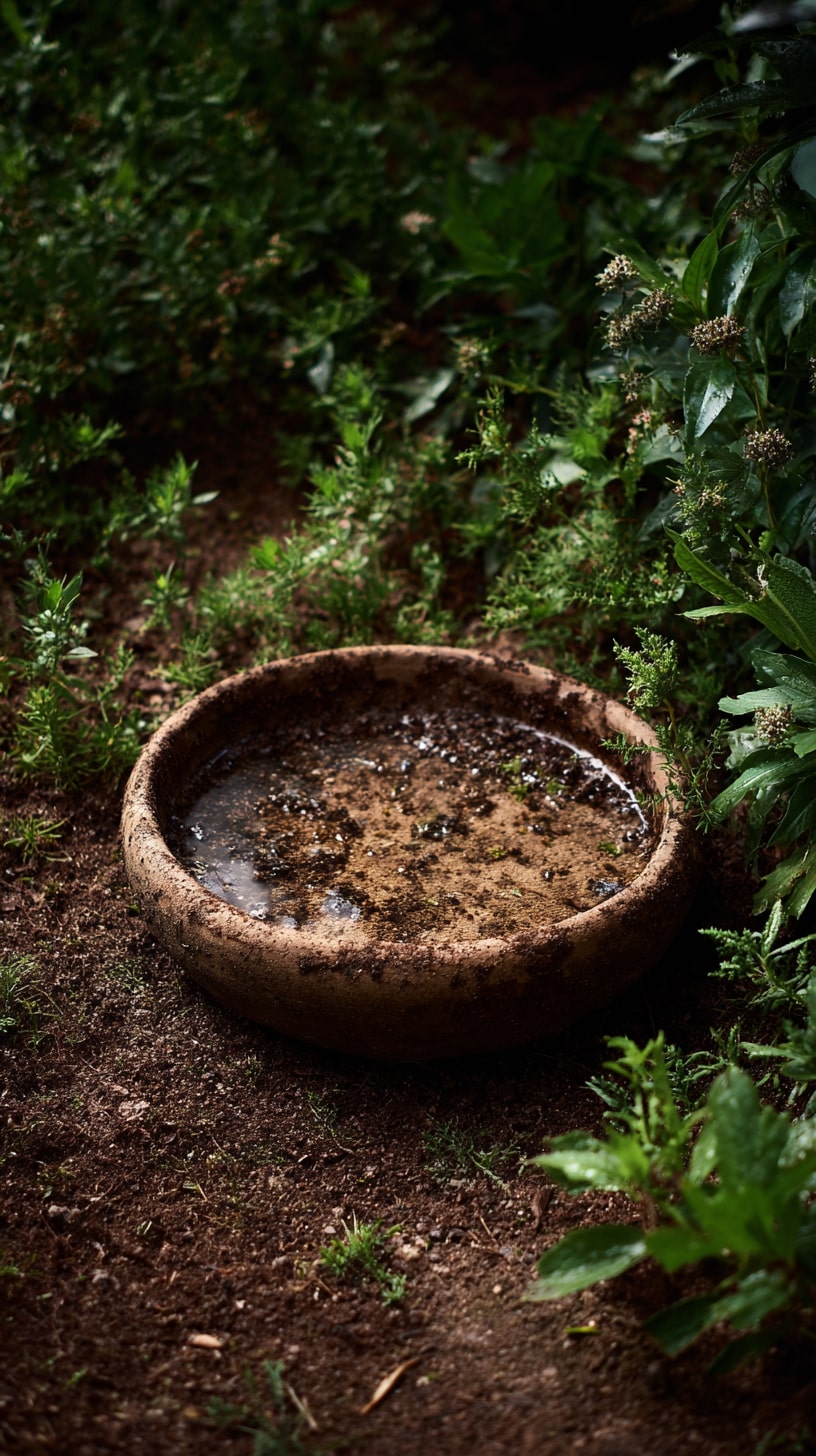
Clay saucer pressed into soil and left partially muddy draws bees without flash. Shallow form prevents drowning, keeps footing stable. Edges crust slightly, mineral collection. It blends into surroundings, almost vanishing under the green. Works best when filled by rainfall or hand.
8. Pollinator Magnet with Splash Access
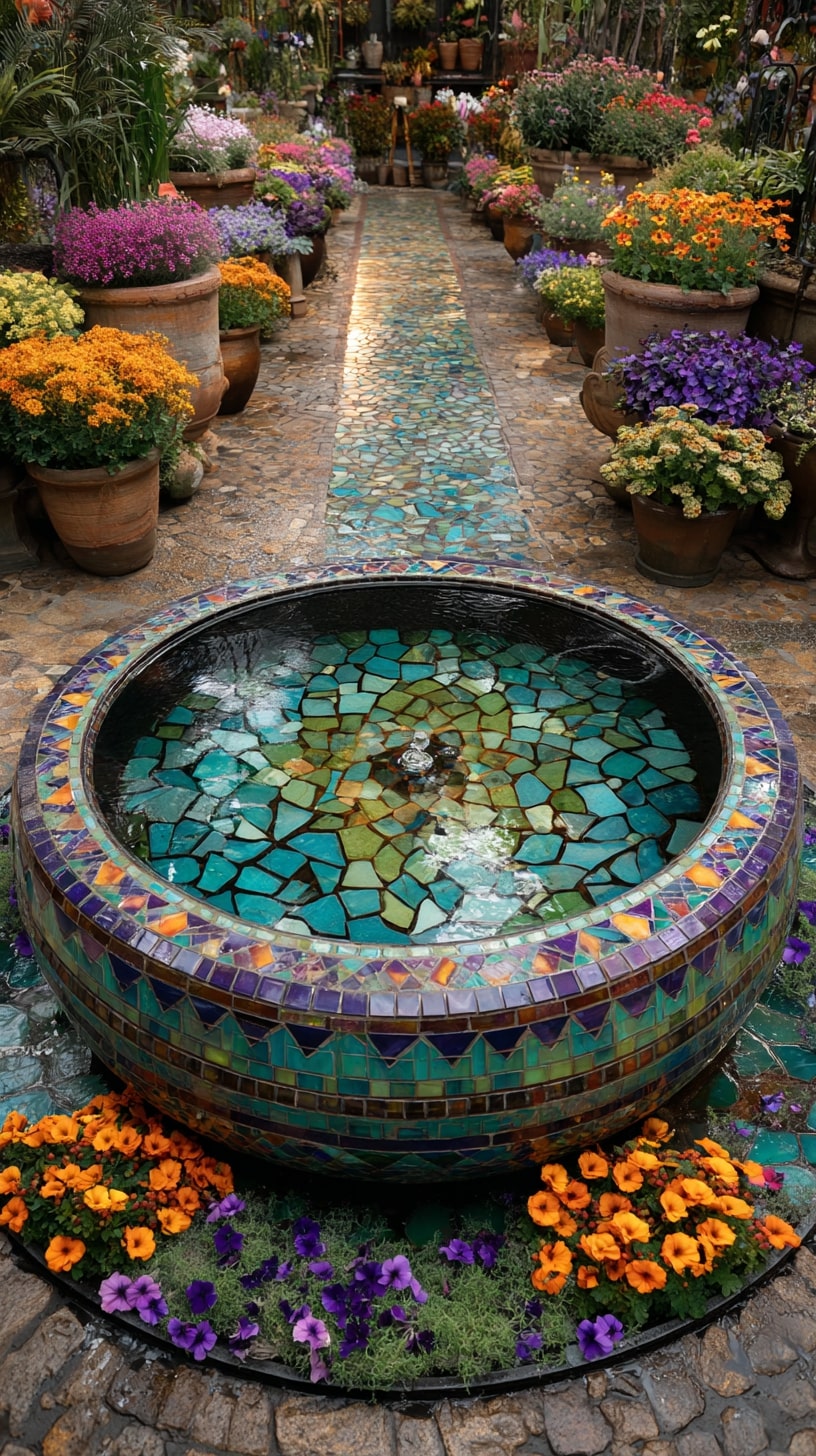
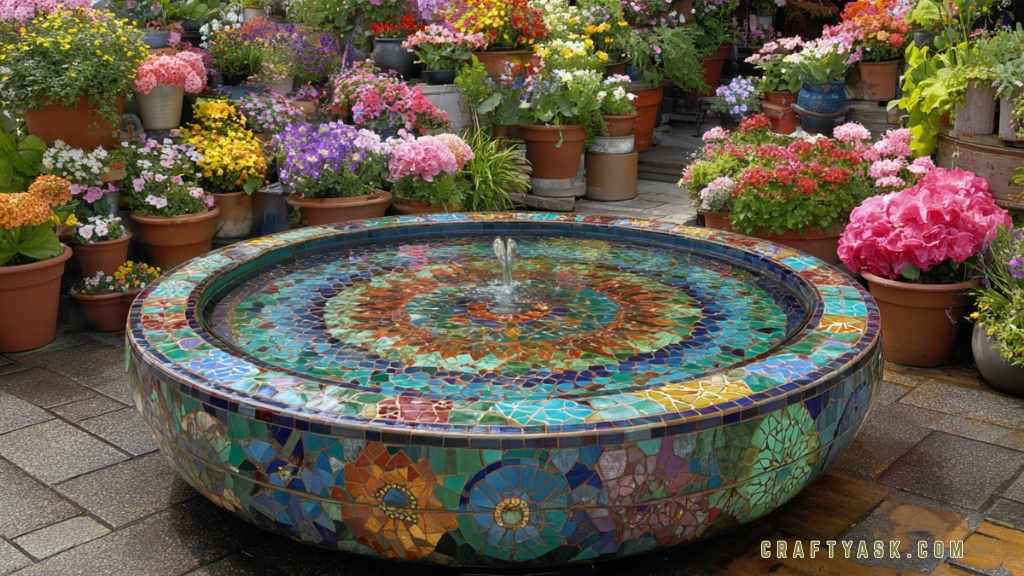
A tiled basin with a slow ripple offers more than beauty, it creates micro-landing zones for bees. Irregular grout lines and low water level keep footing secure.
Centerpiece becomes habitat. Surrounding terracotta pots overflow with nectar-rich blooms, drawing pollinators in.
9. Garden Pathway for Pollinator Hydration
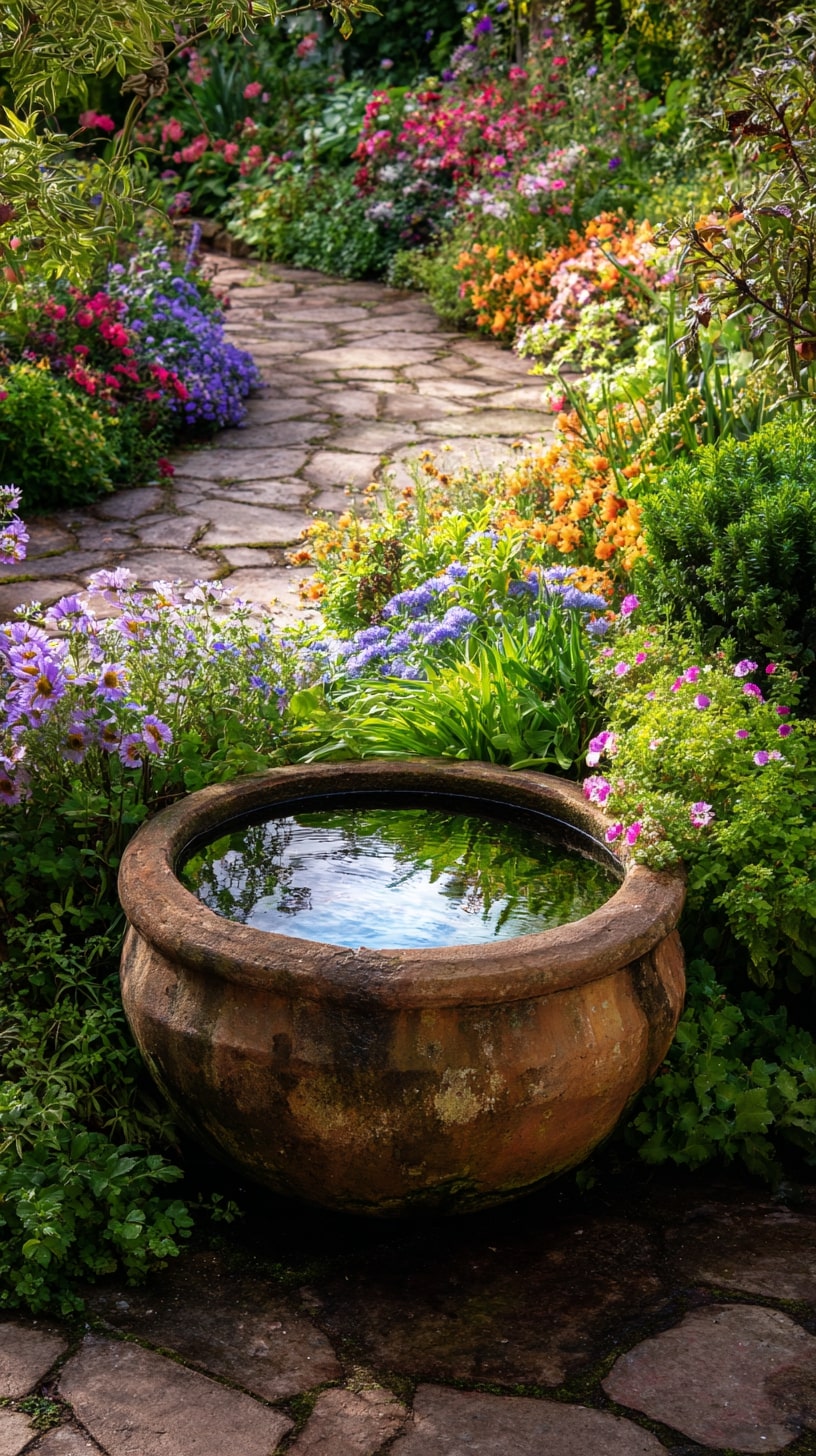
A moss-flecked terracotta urn holds still water right off a flagstone path, easy access for bees, butterflies, and birds alike. Surrounded by layered blooms, it blends utility with romance. Reflection draws attention.
Shape feels ancient. Slight lip gives safe landing space. It’s hydration without disruption.
10. Aquatic Plants for Full-Spectrum Pollinator
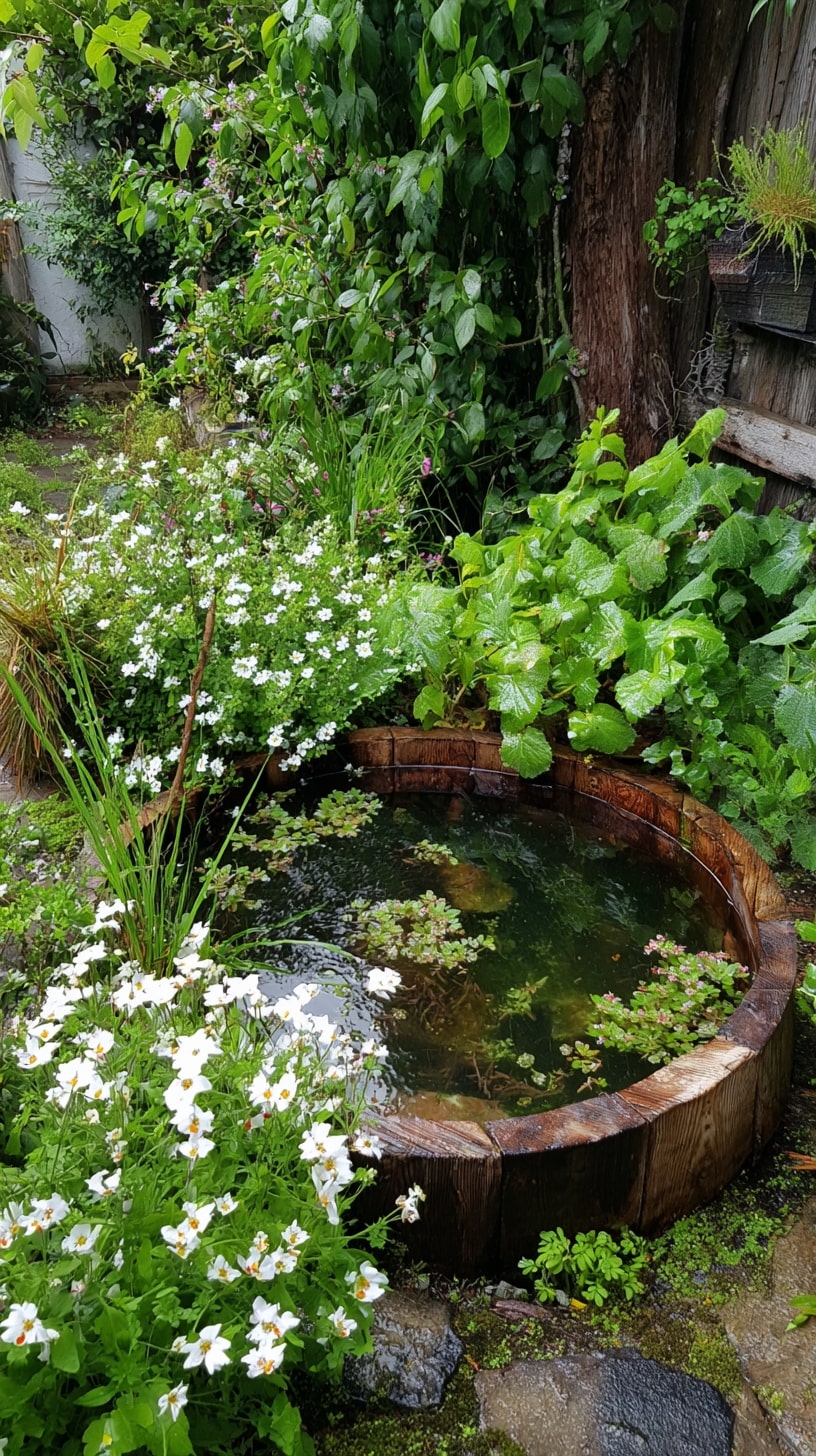
Repurposed wooden barrel holds still water topped with floating duckweed and marginal grasses butterflies, bees, even frogs. Surrounding blooms create a nectar-rich halo, drawing pollinators from all angles.
The barrel’s dark, vertical sides offer thermal mass, helping retain moisture longer.
11. Moisture-Rich Micro Pit
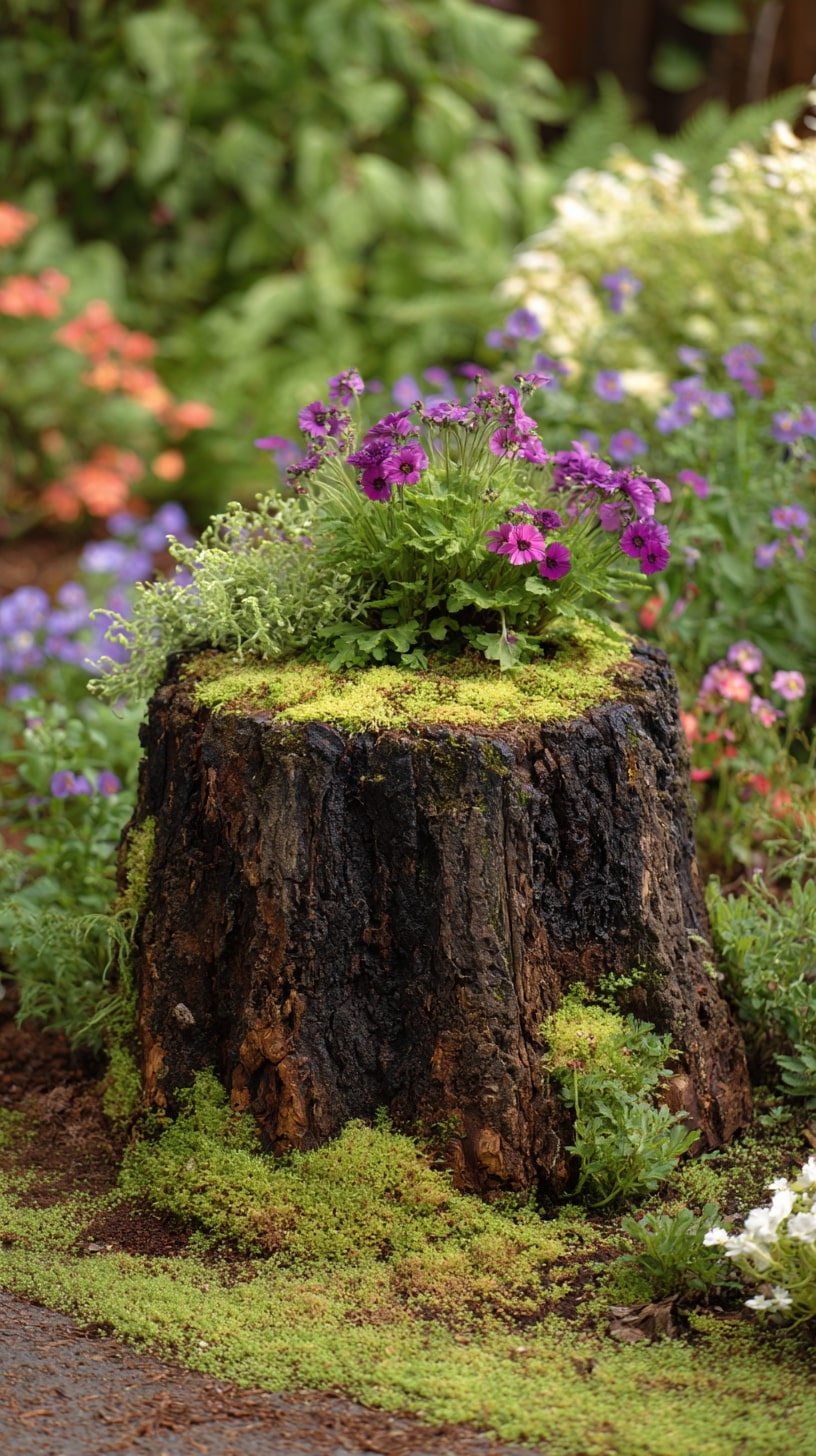
Decay becomes habitat. A weathered stump, softened with moss and tucked into blooms, acts as both sculpture and slow-release water basin.
The center’s been carved just enough, captures rain, holds mud, stays cool. Elevated but accessible. Flowers spill from the top, masking the function. It’s quiet, low-tech, deeply ecological.
12. Rocky Pit to Feed Mud Zones Naturally
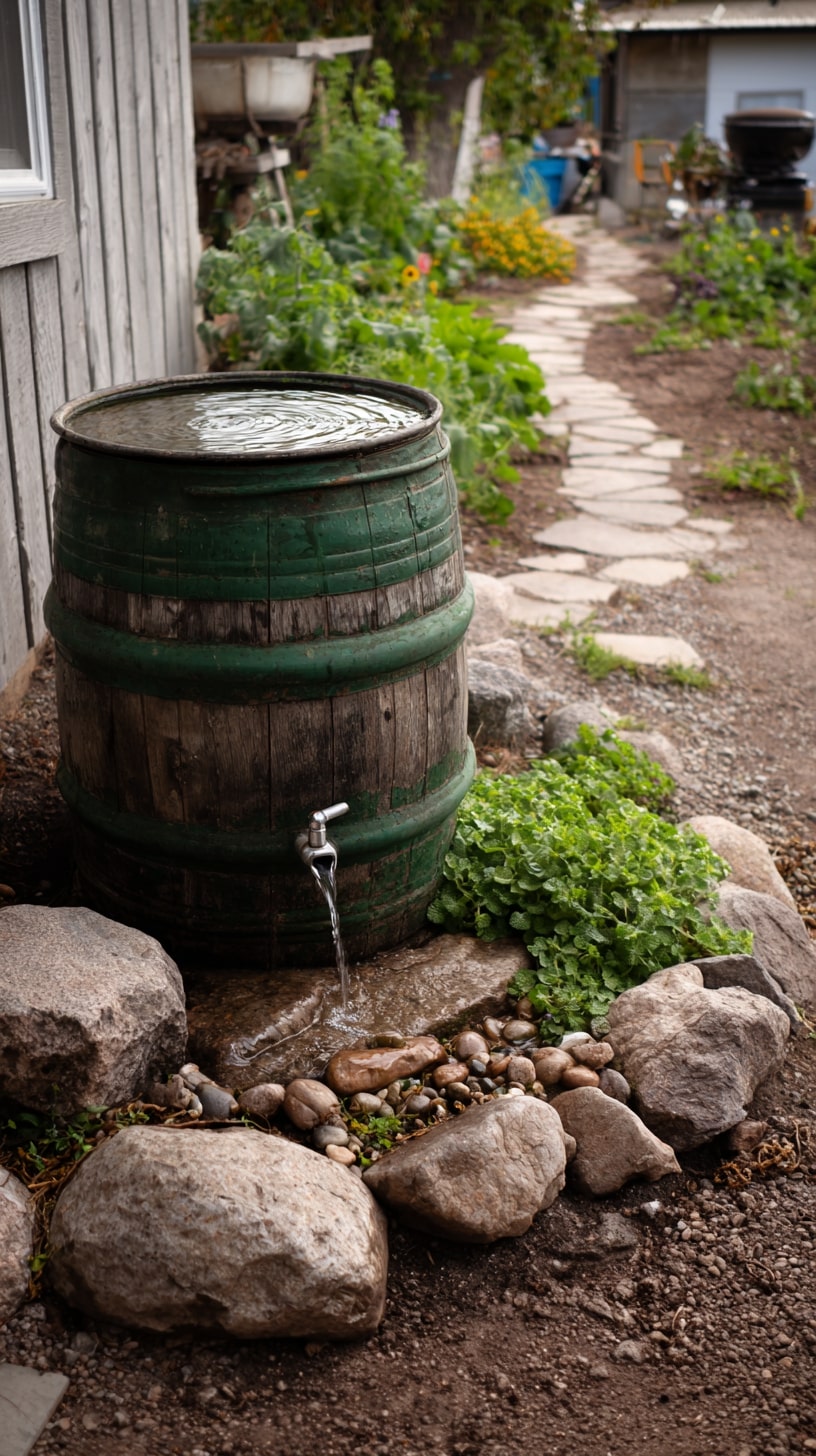
Vintage green rain barrel with spigot drains into a rocky basin, slow, steady mud formation. Water seeps through stones, saturating surrounding soil just enough. No overwatering. No runoff. Strategic placement near a garden path makes it both visible and functional.
13. Regulate Mud Pit Moisture
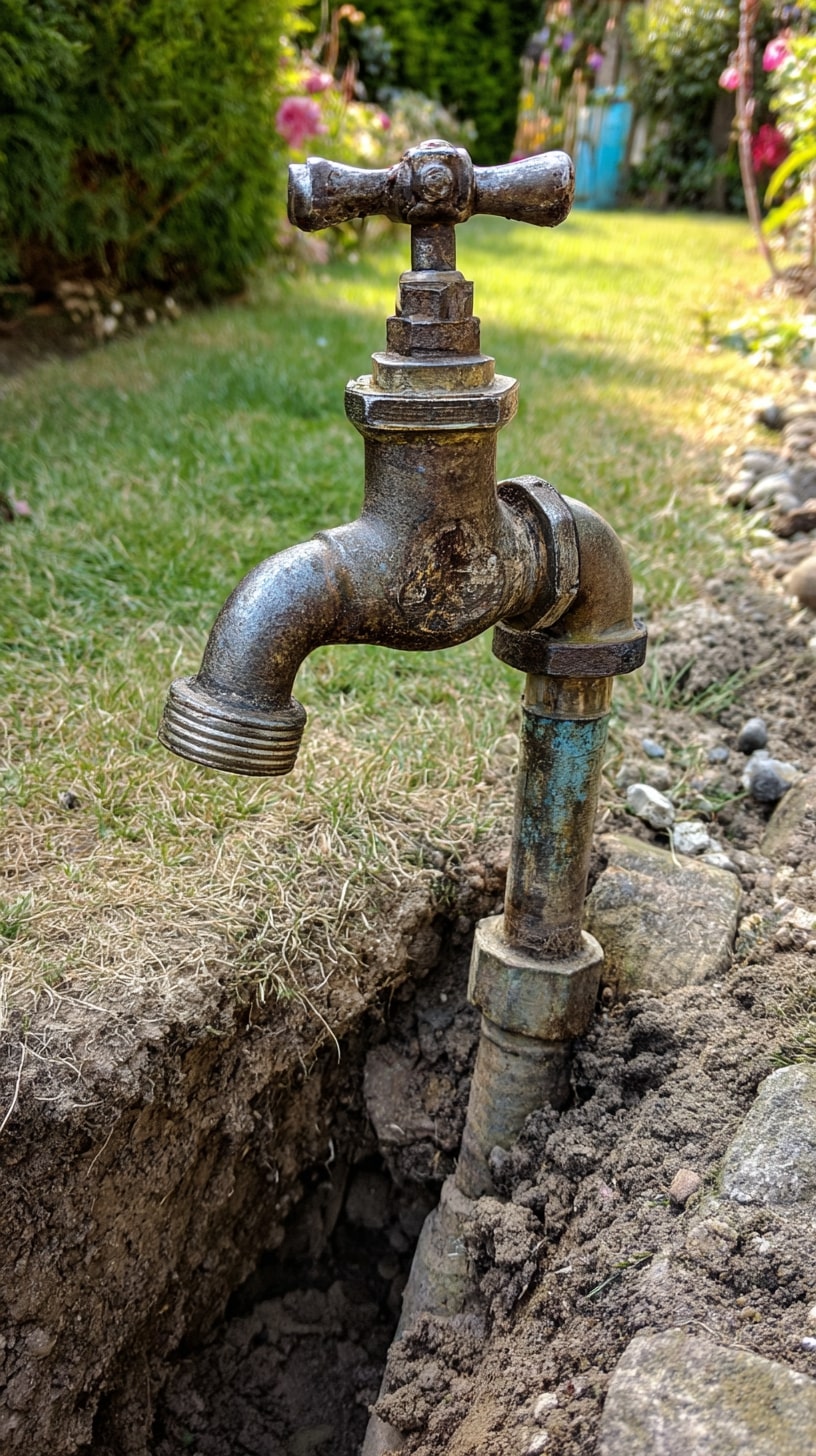
Basic but powerful. Weathered metal tap, set low in the yard, becomes a tool for precision watering. Turn once. Let it drip. Just enough to keep shallow pits moist without flooding. Rough finish blends with soil tones. Easy to retrofit. No bucket lifting. Just smart placement, timed flow, and a little dirt science.
15. Contain Portable Mud Habitat
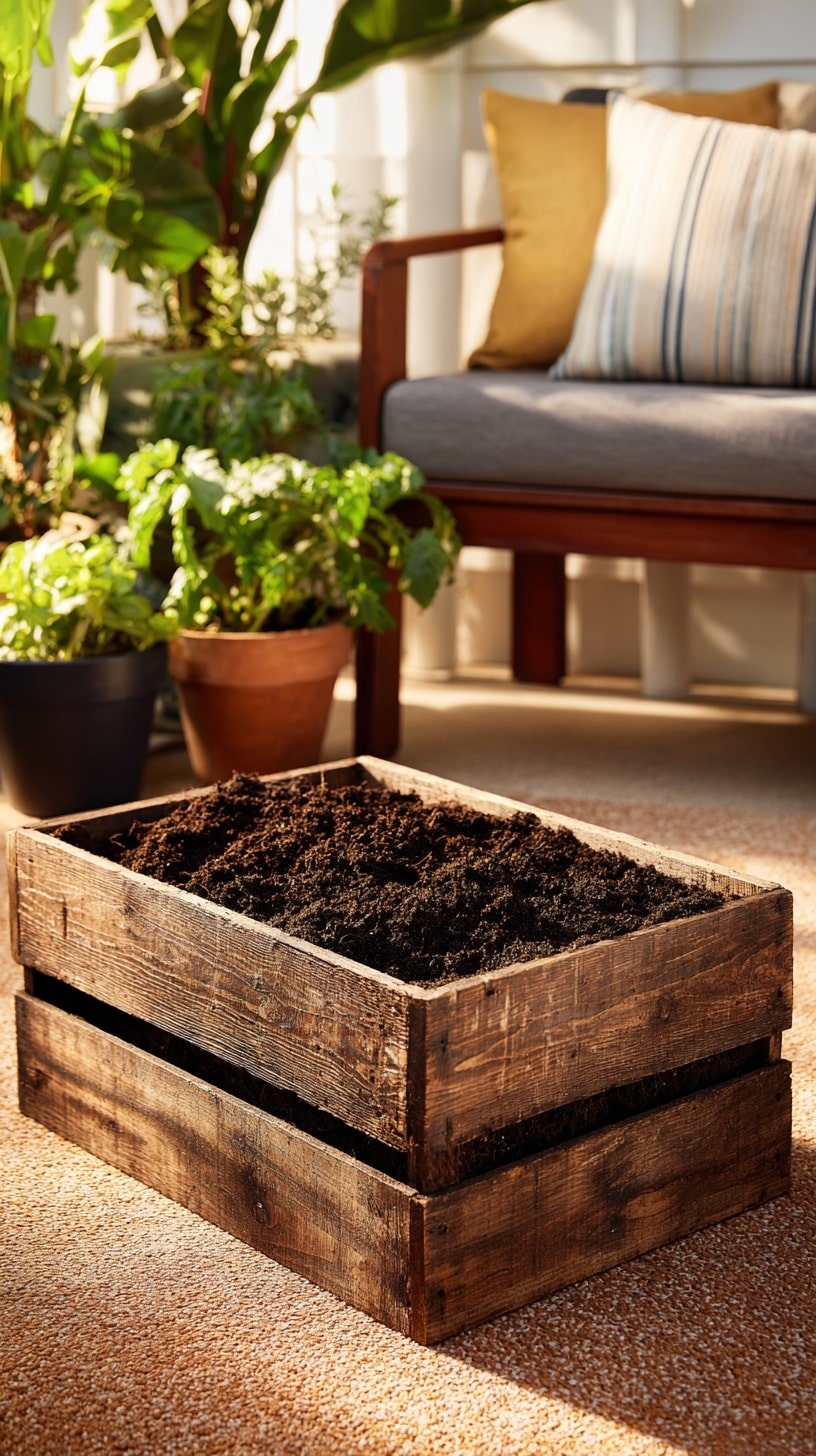
A rough pine crate holds dark, crumbly soil ready for a shallow pollinator bath. Great for patios or small spaces. The open slats let excess water drain while the structure keeps shape. Easy to refresh. Add a few flat stones or broken terracotta. Warmth, moisture, mud, all within reach.
16. Tier Mud Zones by Sun Need
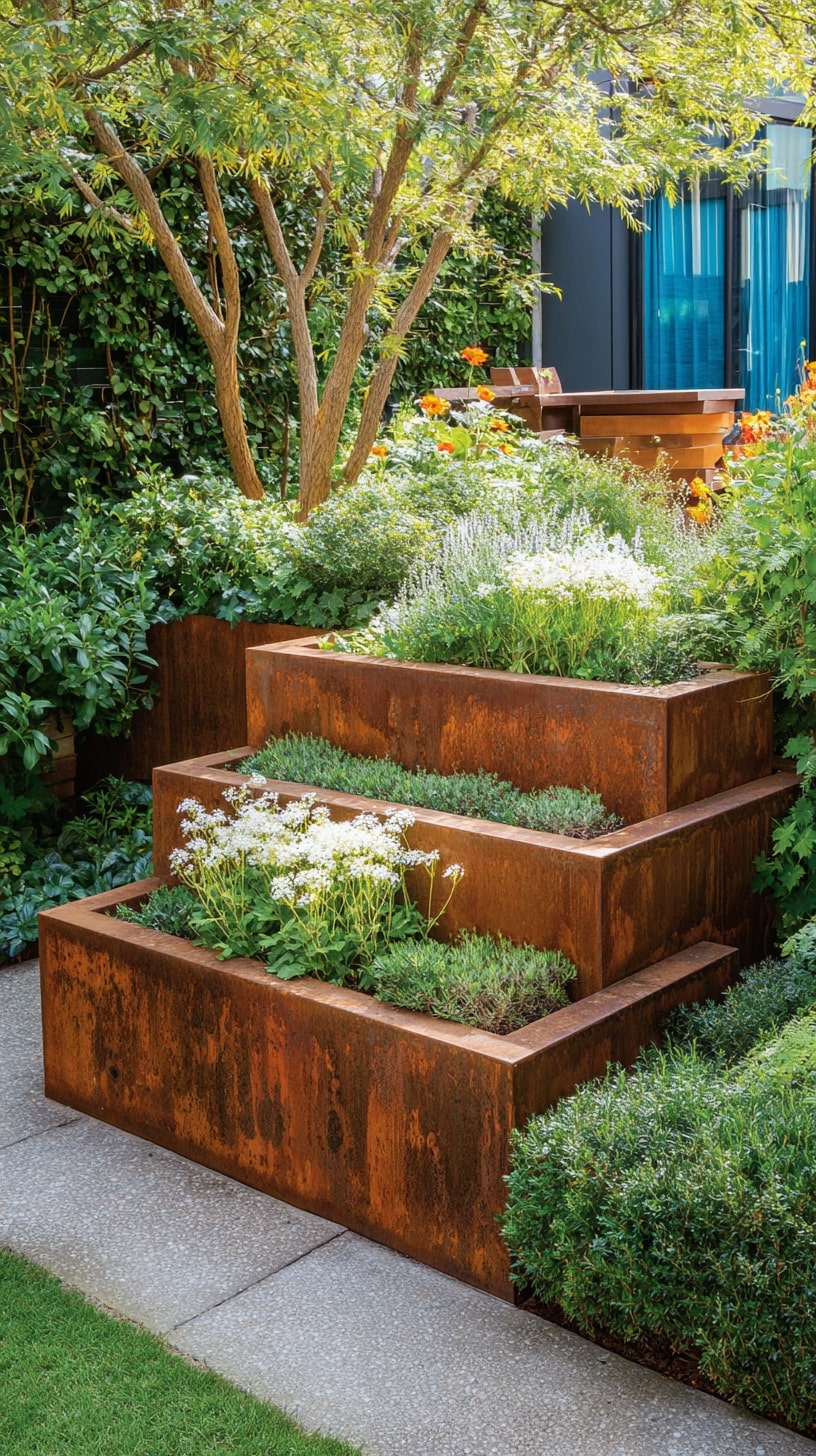
These corten steel planters scale vertically, creating distinct temperature zones for sun-loving and shade-tolerant pollinators.
Top level dries fast, quick-baking mud. Lower tiers hold moisture longer. Rusty patina blends with soil tones. Strong geometry, no fuss. Even better, it resists rot.