

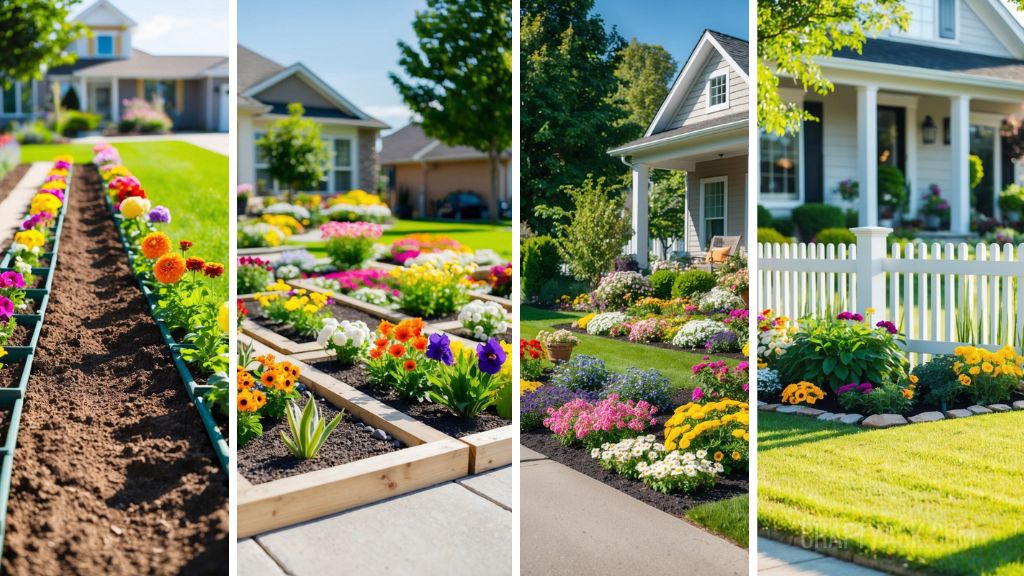
Creating flower beds in front of your house can greatly improve its curb appeal and provide a welcoming atmosphere.
To start, clear the area by removing grass or existing plants, then prepare the soil by adding topsoil and compost to ensure healthy growth.
This simple preparation sets the foundation for a beautiful garden.
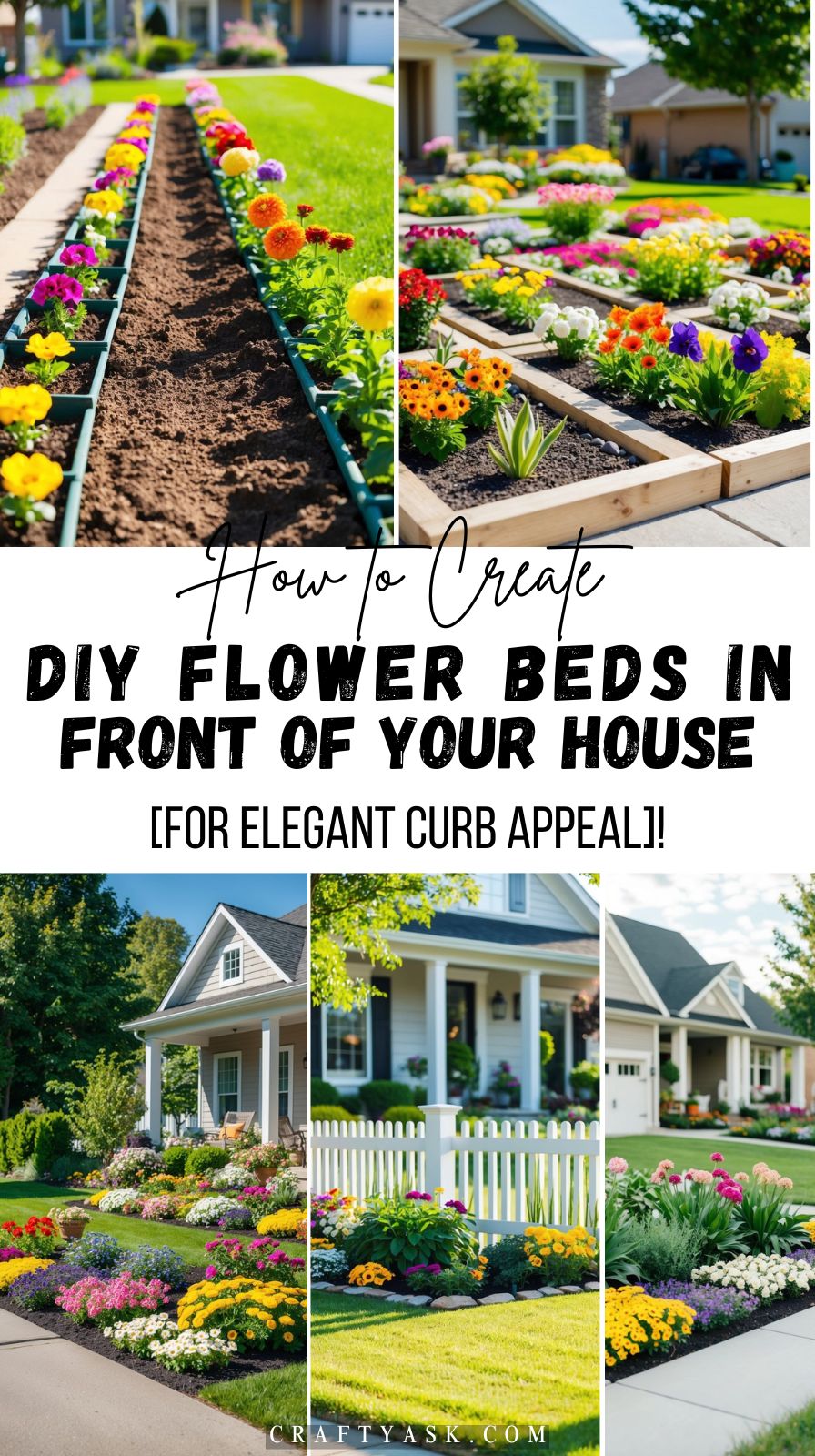
You can design your flower bed to fit the space and style of your home. Using layers of plants with different colors and textures creates visual interest and depth.
With basic tools and some planning, your front yard can be transformed without needing professional help. For easy step-by-step guides, see ideas like those for a flower bed makeover or simple garden beds on a budget.
Planning and Designing DIY Flower Beds

Start by choosing the location of your flower bed. Consider sunlight, drainage, and how visible the area is from your house.
Next, decide the shape and size of your bed. Use string or garden hose to mark the outline clearly on the ground. This helps you visualize the space.
You should think about the base material for your flower bed. Options include soil, mulch, or rocks. Each has different effects on moisture and weed control.
Make a list of plants you want. Choose a mix of colors and heights to add interest. Arrange taller plants in the back and shorter ones in front for better visibility.
Here is a simple planning checklist:
| Step | What to Do |
|---|---|
| Location | Check sunlight and drainage |
| Shape and size | Mark the bed outline |
| Base material | Choose soil, mulch, or rocks |
| Plant selection | Pick colors and heights |
| Layout | Arrange plants in layers |
Consider your climate and soil type when picking plants. Research which species will thrive in your region and require less maintenance.
You might also want to add edging for a clean look. Materials like bricks, stones, or plastic borders can keep soil and mulch in place.
For detailed guidance, see this flower bed planning advice.
Assessing Sunlight and Soil Requirements

Before planting, observe your chosen spot to understand how much sunlight it receives. Most flowering plants need at least 6 hours of direct sunlight daily to thrive. You should note whether the area gets morning or afternoon sun, as some plants prefer one over the other.
Check your soil type by digging a small hole and feeling the texture. Soil can be sandy, clay, loamy, or rocky. Each type affects water drainage and root growth differently. Loamy soil is generally best for most flowers because it holds moisture and drains well.
Use this simple table to guide you:
| Soil Type | Drainage | Best for Plants That Need |
|---|---|---|
| Sandy | Drains quickly | Drought-tolerant plants |
| Clay | Holds water | Moisture-loving plants |
| Loamy | Well-balanced | Most flowering plants |
| Rocky | Poor | Hardy, shallow-rooted plants |
You may want to test your soil’s pH. Most flowers prefer a pH between 6.0 and 7.0. Soil test kits are available and easy to use.
Lastly, consider adding organic matter like compost to improve soil quality. This helps retain moisture and provides nutrients.
Choosing plants that match your sunlight and soil conditions ensures better growth and less maintenance. Check plant tags or seed packets to find this information specific to each plant type. For more detailed guidance, see how to select plants based on sunlight and water needs at Lowe’s website.
Selecting an Ideal Location

Start by observing the front area of your house where you want to place the flower bed. Consider how much sunlight the space receives throughout the day. Different plants need varying amounts of sun, so knowing the exposure helps you pick the right flowers.
Check for full sun (6+ hours), partial sun (3-6 hours), or shade (less than 3 hours). You can use a simple watch or smartphone app to track sunlight exposure. This step ensures your plants will thrive in the chosen spot.
Next, think about the space’s size and shape. Measure the area so you can plan the layout properly. Avoid locations near large tree roots or heavy foot traffic, which may disturb plant growth.
Consider visibility from your front door and street. Pick a spot that enhances curb appeal but does not block windows or walkways.
You should also evaluate the soil condition. Good soil drains well and contains nutrients. If the soil is poor, you might prepare it by mixing in compost or using a weed barrier to improve growing conditions.
Choosing Suitable Flower Varieties

When selecting flowers for your front yard bed, consider plants that fit your local climate and soil type. This helps your flower bed thrive with less effort.
Choose a limited color palette for a clean, cohesive look. Whites, greens, and muted tones work well for a simple design. You can also add some brighter colors if you want more visual interest.
Mix plants with different heights for depth and variety. Place taller flowers or shrubs at the back or center. Use medium and low-growing plants toward the front to create layers.
Here is a simple list of flower types to consider:
- Tall plants: Sunflowers, delphiniums, or ornamental grasses
- Medium plants: Black-eyed Susans, coneflowers, or daylilies
- Low plants: Alyssum, creeping phlox, or liriope (border grass)
You can add evergreen shrubs or tropical plants to provide structure and year-round appeal. Using layers this way adds texture and makes your flower bed more attractive.
For easy maintenance, pick plants that suit your region’s amount of sun, water, and soil pH. Some flowers like full sun, while others prefer shade or partial sun.
Avoid overcrowding your bed. Give each plant enough space to grow. This prevents diseases and promotes healthy roots for better blooms.
For more tips on flower choices and design ideas, see 34 front yard flower bed ideas to boost your curb appeal.
Creating a Layout and Design Blueprint

Start by measuring the area where you want your flower bed. Use graph paper or digital tools to draw a simple outline of your space. This helps you see how much room you have and plan the shape of the bed.
Next, decide on the shape of your flower bed. Common shapes include rectangles, triangles, or curves that follow walkways. Choose a shape that fits your yard’s style and allows easy access for planting and maintenance.
Make a list of plants you want to include. Group plants by height and color to create balance and visual interest. Remember to place taller plants toward the back (or center if the bed is viewed from all sides) and shorter ones in front.
Consider sunlight and soil conditions in your design. Place plants that need more sun where they’ll get it. Also, think about how plants will grow over time to avoid overcrowding.
Use symbols or simple sketches on your blueprint to show where each plant will go. You can mark paths, borders, and any structures like trellises or arbors. A clear plan will guide your planting and keep your design consistent.
Building and Maintaining Flower Beds

Creating a lasting flower bed means focusing on firm soil, clear edges, correct plant placement, and proper care. Every step requires attention to detail to make sure your bed grows healthy and looks neat.
Preparing the Ground and Soil
Start by clearing the area of grass, weeds, and debris. Use a spade or garden tiller to loosen the soil about 6 to 8 inches deep. This improves drainage and root growth.
Test your soil’s pH to know if it’s acidic or alkaline. Most flowers prefer a slightly acidic to neutral pH (6.0 to 7.0). Add compost or organic matter to enrich the soil. This provides nutrients and improves texture.
Remove stones and break up clumps. Smooth the soil surface with a rake so plants have a firm base. Well-prepared soil helps your flower bed thrive.
Installing Borders and Edging
Borders keep your flower bed tidy and stop grass from invading. Choose materials like brick, stone, metal, or plastic edging.
When installing, dig a shallow trench along your flower bed line. Set the edging material in the trench, making sure it’s level and secure. The edging should be slightly above ground to prevent grass from creeping over.
Consider simple plant borders like liriope to edge your bed naturally. These plants also add texture and color.
Clear edging defines your flower bed shape and reduces maintenance chores.
Planting Techniques and Spacing
Arrange plants with taller varieties at the back and shorter ones in front for good visibility. Group similar plants together for easier care.
Follow spacing guidelines on seed packets or plant tags. Crowding plants can block airflow and cause disease. Give each plant enough room to grow.
Dig holes twice as wide as the root ball but no deeper than the pot’s height. Place plants gently, fill with soil, and press it down to remove air pockets.
Water right after planting. Proper spacing and planting help your flower bed look balanced and healthy.
Watering, Mulching, and Ongoing Care
Water your flower bed deeply and regularly, especially during the first few weeks. Morning watering is best to reduce evaporation and fungus risk.
Apply 2 to 3 inches of mulch like shredded bark or straw to retain moisture and suppress weeds. Keep mulch 1 inch away from plant stems to avoid rot.
Remove dead flowers and leaves to encourage new growth. Watch for pests and diseases, treating them early.
Check soil moisture often. Adjust watering based on weather and plant needs. Consistent care keeps your flower bed vibrant and strong.
Frequently Asked Questions
Creating a flower bed in front of your house involves planning, choosing plants, and defining borders. Understanding the best steps, suitable plants, and border techniques will help your flower bed look neat and inviting.
1. What are the essential steps for designing a DIY flower bed in front of a residence?
First, choose a location with the right sunlight for your plants. Remove existing grass or plants and clear rocks and debris.
Next, till the soil and mix in compost to improve its quality. Define the shape of your bed clearly, using tools or string to mark the outline.
2. Which low maintenance plants are most suitable for front yard flower beds?
Choose plants that match your climate and sunlight conditions. Popular low maintenance options include lavender, daylilies, hostas, and ornamental grasses.
These plants require less water and care, making them ideal for busy homeowners. Adding native plants can also reduce upkeep.
3. What techniques are recommended for creating an appealing flower bed border?
Use edging materials like bricks, stones, or metal strips to create a clear boundary. This keeps grass and weeds from invading the bed and gives a clean look.
Another option is planting low border plants such as liriope or boxwood. Mulch along the edge helps suppress weeds and keeps moisture in the soil.